Exploring Boa Constrictor Traits: A Deep Dive into Their Genetics

When I first started working with boas, I was fascinated by how diverse and beautiful these snakes can be. Their colors, patterns, and behaviors vary so much, and I quickly realized that understanding their genetics is key to appreciating and breeding them responsibly. Today, I want to share some insights into boa constrictor traits and the fascinating world of their genetics. Whether you’re looking to expand your collection or just curious about these incredible reptiles, I hope this post offers you some useful knowledge and inspiration.
Understanding Boa Constrictor Traits
Boa constrictors are known for their striking appearance and impressive size. But what exactly determines their traits? Traits in boas include things like color, pattern, size, and even temperament. These characteristics are influenced by their genes, passed down from parents to offspring.
Some common boa constrictor traits include:
Color morphs: These are variations in the snake’s base color, such as albino, hypomelanistic (reduced black pigment), or pastel.
Pattern variations: The arrangement and intensity of the snake’s markings can differ widely.
Size and growth rate: Some boas grow larger or faster depending on their genetic background.
Behavioral traits: While less studied, some breeders believe temperament can have a genetic component.
For example, a pastel boa will have a lighter, more yellowish tone compared to a normal boa. This is due to a specific gene mutation that affects pigment production. When breeding boas, understanding which traits are dominant or recessive helps predict what the babies might look like.

How Genetics Shape Boa Constrictor Appearance
Genetics in boas work much like in other animals. Each boa inherits two copies of every gene - one from each parent. Some genes are dominant, meaning only one copy is needed to show the trait. Others are recessive and require two copies to be visible.
For instance, the albino trait in boas is recessive. This means both parents must carry the albino gene for the offspring to be albino. If only one parent carries it, the babies will be normal-looking but can carry the gene themselves.
Breeders often use this knowledge to create stunning morphs by pairing snakes with complementary genes. This selective breeding can produce boas with unique colors and patterns that are highly sought after.
Understanding the basics of boa genetics also helps avoid inbreeding, which can lead to health problems. Responsible breeders keep detailed records and carefully plan pairings to maintain healthy, vibrant bloodlines.
Can boas have babies without a male?
This is a question I’ve heard quite a bit, especially from those new to reptile breeding. The short answer is yes, but it’s rare and not the norm.
Boas, like many reptiles, are capable of a process called parthenogenesis. This means a female can produce offspring without fertilization by a male. However, these babies are usually clones of the mother and often have reduced genetic diversity, which can affect their health.
In the wild, parthenogenesis is thought to be a survival mechanism when males are scarce. In captivity, it’s been documented but is not a reliable way to produce healthy litters. For serious collectors and breeders, natural breeding with a male is the preferred method to ensure strong genetics and healthy offspring.
If you’re interested in breeding boas, it’s important to understand the reproductive cycle and provide the right conditions for mating. This includes proper temperature, humidity, and a stress-free environment.
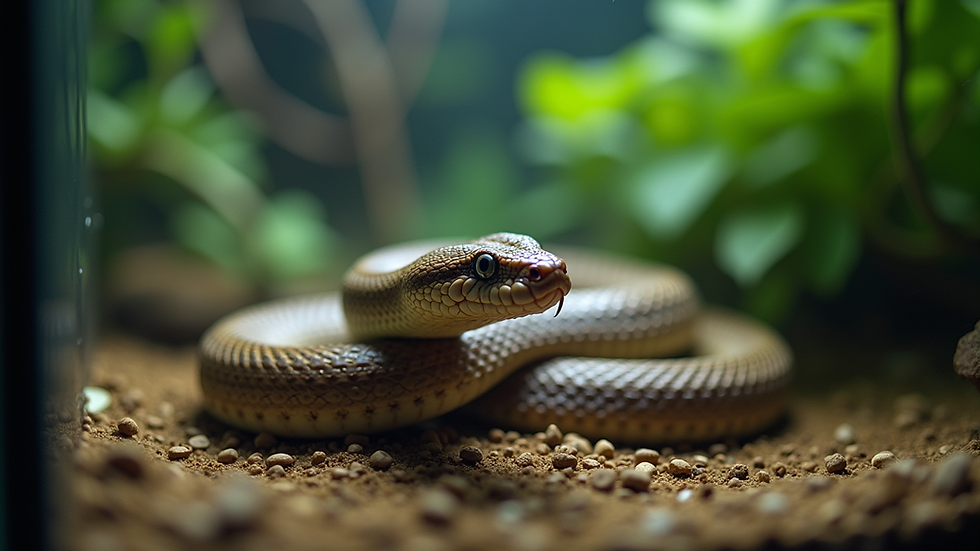
Practical Tips for Breeding Based on Genetics
If you’re serious about breeding boas, here are some practical tips to keep in mind:
Know your snakes’ genetics: Keep detailed records of each snake’s lineage and traits. This helps predict what traits might appear in the offspring.
Pair complementary morphs: To create unique and desirable traits, pair snakes with different but compatible genes.
Avoid inbreeding: Genetic diversity is crucial for healthy snakes. Avoid breeding closely related individuals over more than two generations. This means while it is ok to pair up a brother and sister, I would avoid pairing up offspring from the brother/sister combo. While the litter may turn out fine, you are increasing the risk of issues down the road with the overall health of the animal.
Monitor health closely: Genetics can influence susceptibility to diseases. Regular health checks are essential.
Be patient: Breeding boas is a long-term commitment. It can take years to develop a strong bloodline.
By following these guidelines, you can contribute to the preservation and enhancement of boa constrictor traits in captivity.
Why Genetics Matter for Serious Collectors
For those who collect boas seriously, genetics is more than just a science - it’s a passion. Knowing the genetic background of your snakes allows you to appreciate their uniqueness and make informed decisions about breeding and care.
At HK Constrictors, the focus is on maintaining pure locality boas and designer green tree pythons with top-tier bloodlines. This dedication ensures that enthusiasts have access to high-quality snakes with well-documented genetics.
Understanding boa constrictor genetics also helps in conservation efforts. By preserving genetic diversity, we can help protect these magnificent creatures for future generations.
If you want to dive deeper into the science behind these traits, I recommend exploring resources and connecting with experienced breeders who share their knowledge generously.
Embracing the Journey of Boa Genetics
Exploring boa constrictor traits and genetics is a rewarding journey. It opens up a world of discovery and connection with these incredible reptiles. Whether you’re breeding for specific traits or simply admiring their natural beauty, understanding genetics enriches the experience.
I encourage you to keep learning, ask questions, and share your experiences with fellow enthusiasts. The world of boas is vast and full of surprises, and every snake has a story written in its genes.
If you want to learn more about boa constrictor genetics, feel free to explore trusted sources and join communities that celebrate these amazing snakes.
Happy herping!


Comments